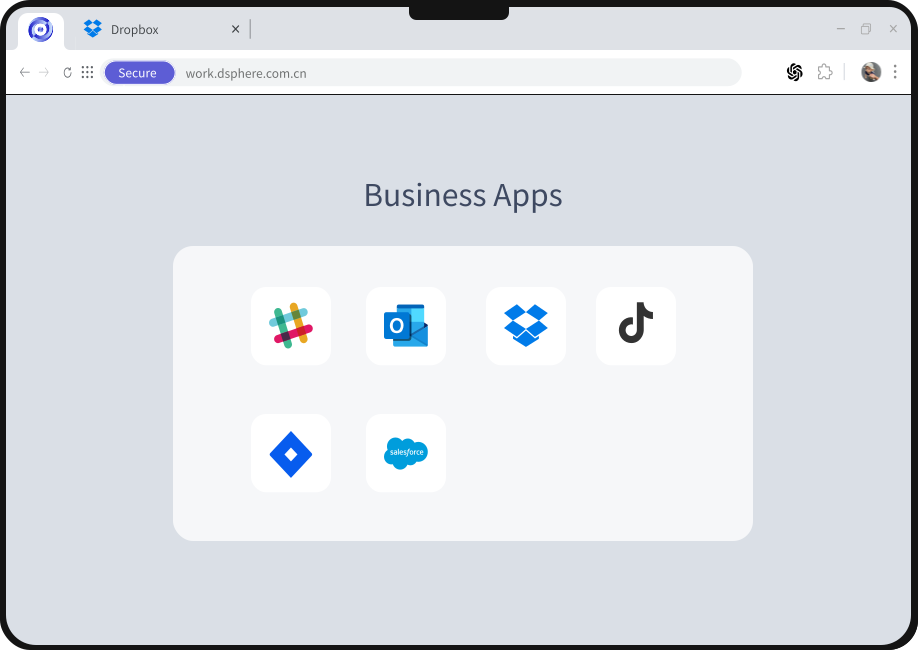

Bring Your Own Device To Work
While BYOD enhances flexibility and efficiency, it also introduces significant data security risks. To balance the benefits of flexible work with the need for data protection, enterprises must combine technical controls with effective management strategies.



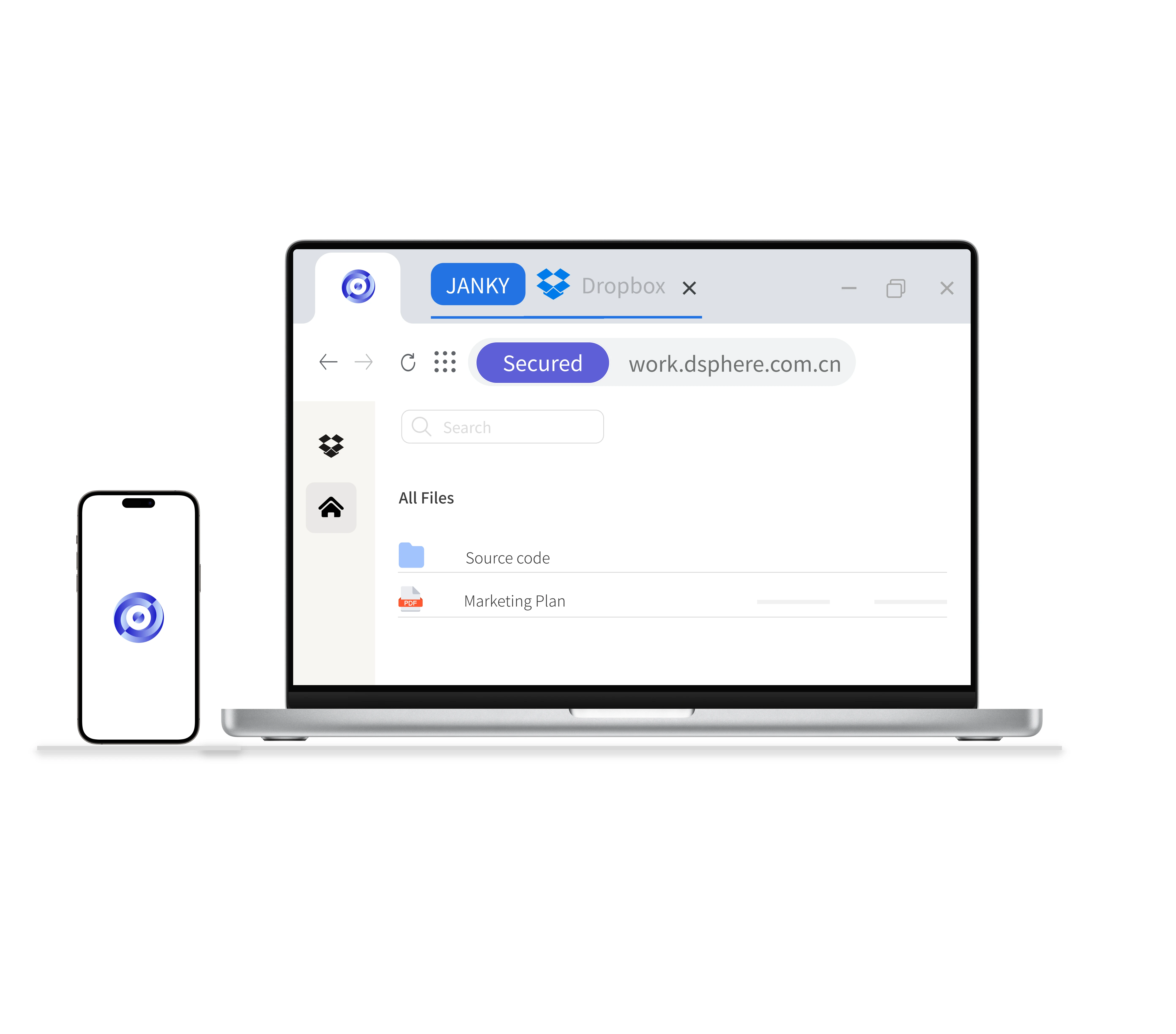
BYOD Data Risks
Due to varying employment models, security measures and priorities for outsourced personnel versus full-time employees often differ significantly.

Device Loss Risk
Personal devices may lack enterprise-grade security measures (e.g., encryption, remote wipe), making them vulnerable to attacks or data leaks if lost or stolen.

Data Leakage Risk
Coexistence of personal and work data on the same device increases the risk of sensitive information being accidentally shared, misused, or exposed through malicious apps.

Access Control Risk
To accommodate personal devices, enterprises may relax access policies, leading to excessive exposure of internal data.

Privacy and Legal Risks
Security monitoring on personal devices may infringe on employee privacy, potentially triggering legal disputes.

Network Access Risk
Unmanaged devices may bypass corporate firewalls and directly access internal resources, expanding the attack surface.

Insider Threat Risk
Former employees or insiders may exploit their devices to steal corporate data, making detection and prevention more challenging.
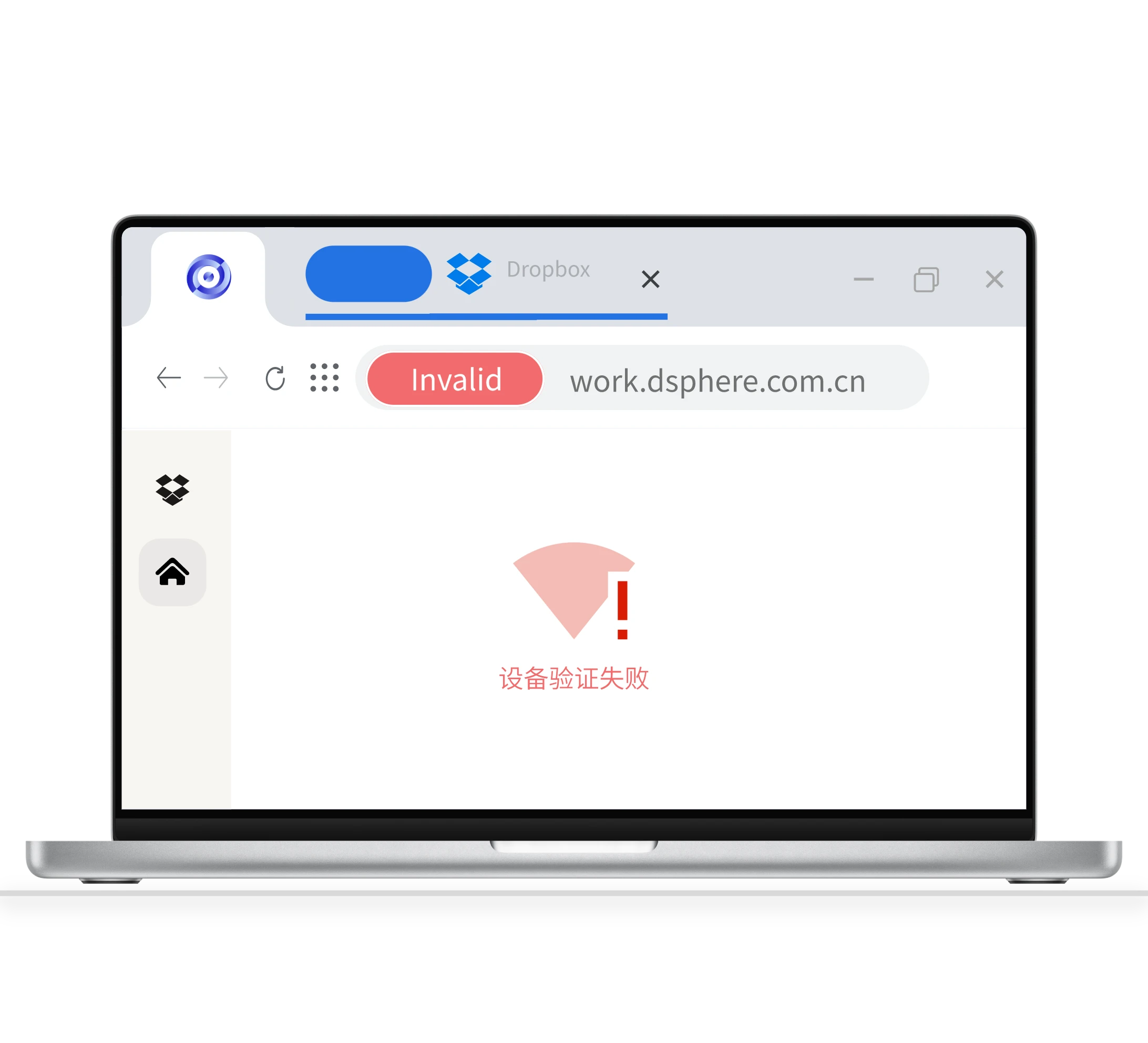
Device Access Control
As the first line of defense in network security, endpoint access control ensures that only trusted and compliant devices can access network resources through a "verify first, connect later" mechanism. It is applicable across enterprise networks, public networks, and IoT environments. With the rise of remote work and BYOD (Bring Your Own Device), its importance has become even more critical.
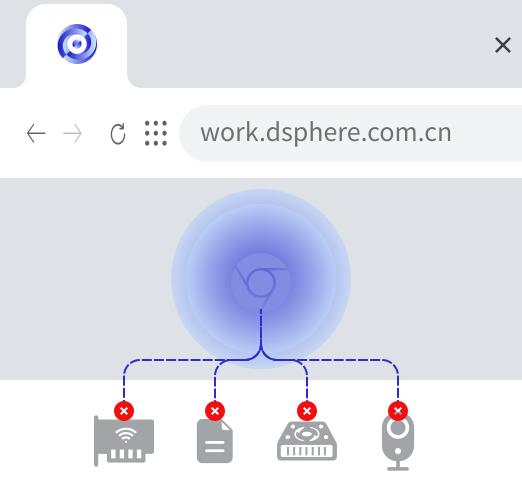
Privacy-Preserving and Compliance-Focused
The solution focuses solely on managing business systems and enterprise data, without collecting or accessing employees' personal data on BYOD devices. This approach avoids violations of privacy protection laws and regulations, reducing employee resistance to data security tools.
Free Trial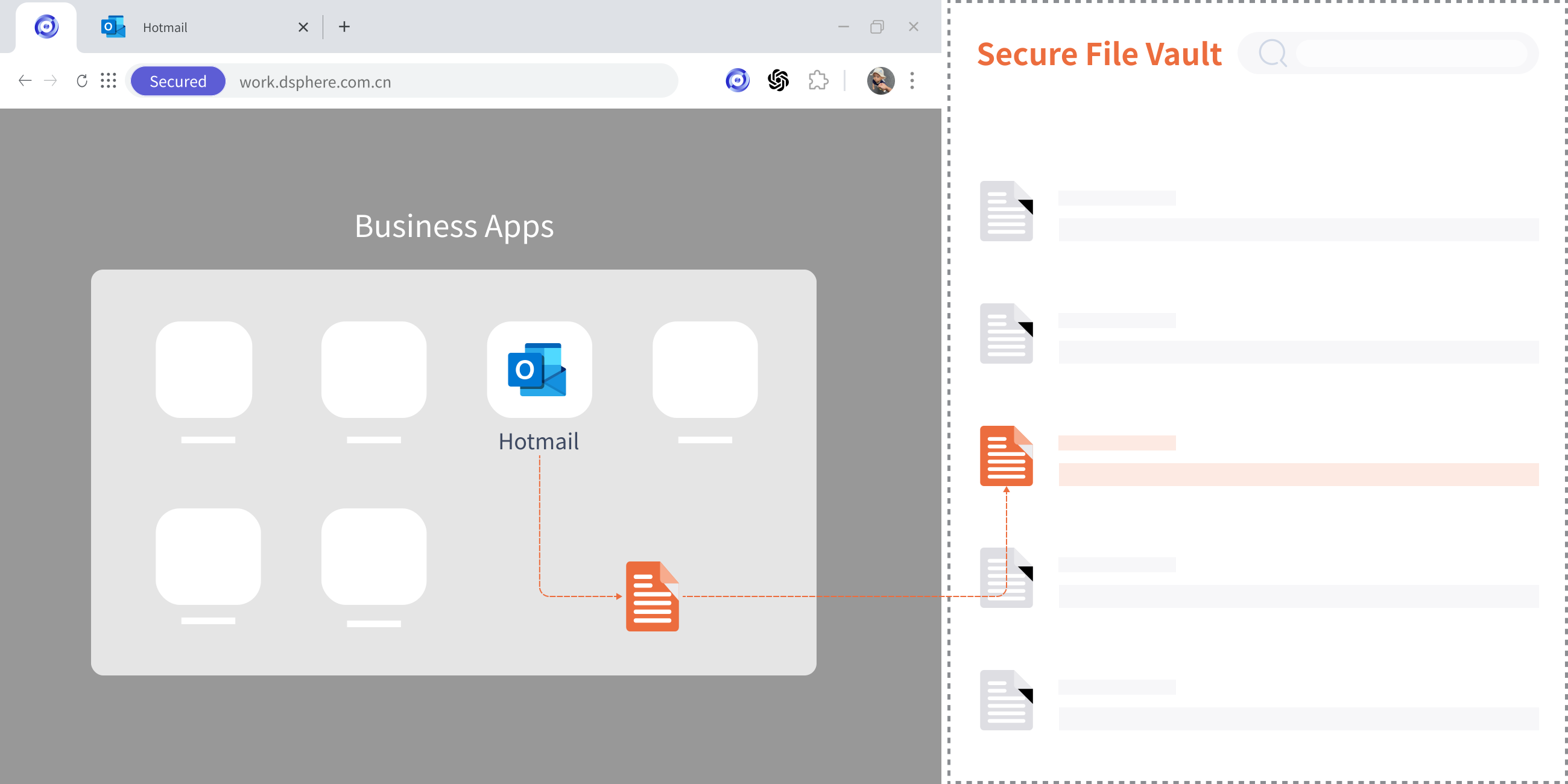
Frequently asked questions
What tension does this page describe for BYOD?
BYOD improves flexibility and efficiency, but it also increases data security risks. Enterprises need technical controls together with management strategies to balance flexible work and data protection.
Which risk themes are highlighted on this page?
The page discusses device loss, data leakage when personal and work data coexist, access control relaxation for personal devices, privacy and legal considerations from monitoring, broader exposure from unmanaged network access, and insider-related scenarios.
How does DSphere fit into a BYOD program?
This page frames DSphere around access and data-flow governance through an enterprise browser for employee-owned or mixed devices; it is not presented as the only control organizations should rely on.
How can we try DSphere?
Use the Free Trial button on this site; it opens the DSphere account onboarding flow in a new window.

Time to Rebuild Data Security
Inside DSphere is work; outside DSphere is life. Enterprises need not worry about data leaks, and employees need not worry about their privacy being infringed.