
Control Over Sensitive Downloads
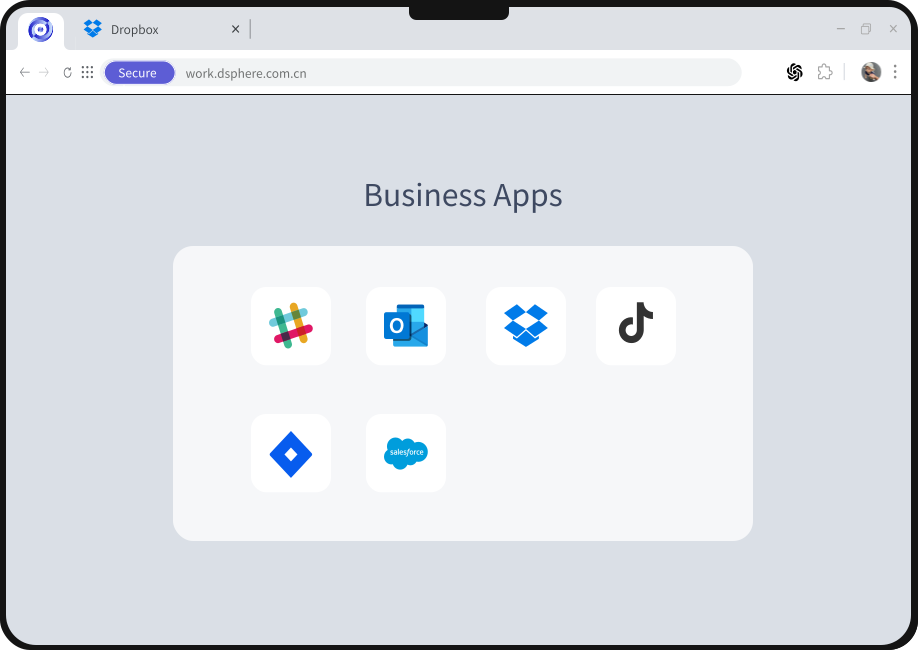
Most documents containing sensitive data originate from applications—either databases or business systems. Implementing security measures at the data source is far more effective than struggling with enforcement at the point of data usage.
Prerequisite for document protection
is its proper and authorized use
The key prerequisite for protecting documents is that their use remains unaffected, end-user costs are not increased, and the experience and efficiency of document usage are not compromised. Otherwise, security measures will become impractical and widely rejected.
Source of Sensitive Data Documents
Documents containing large amounts of sensitive data—such as customer information, order details, and financial records—are typically exported from a database or application system, rather than manually entered line by line.

Redirect Data To Online Documents
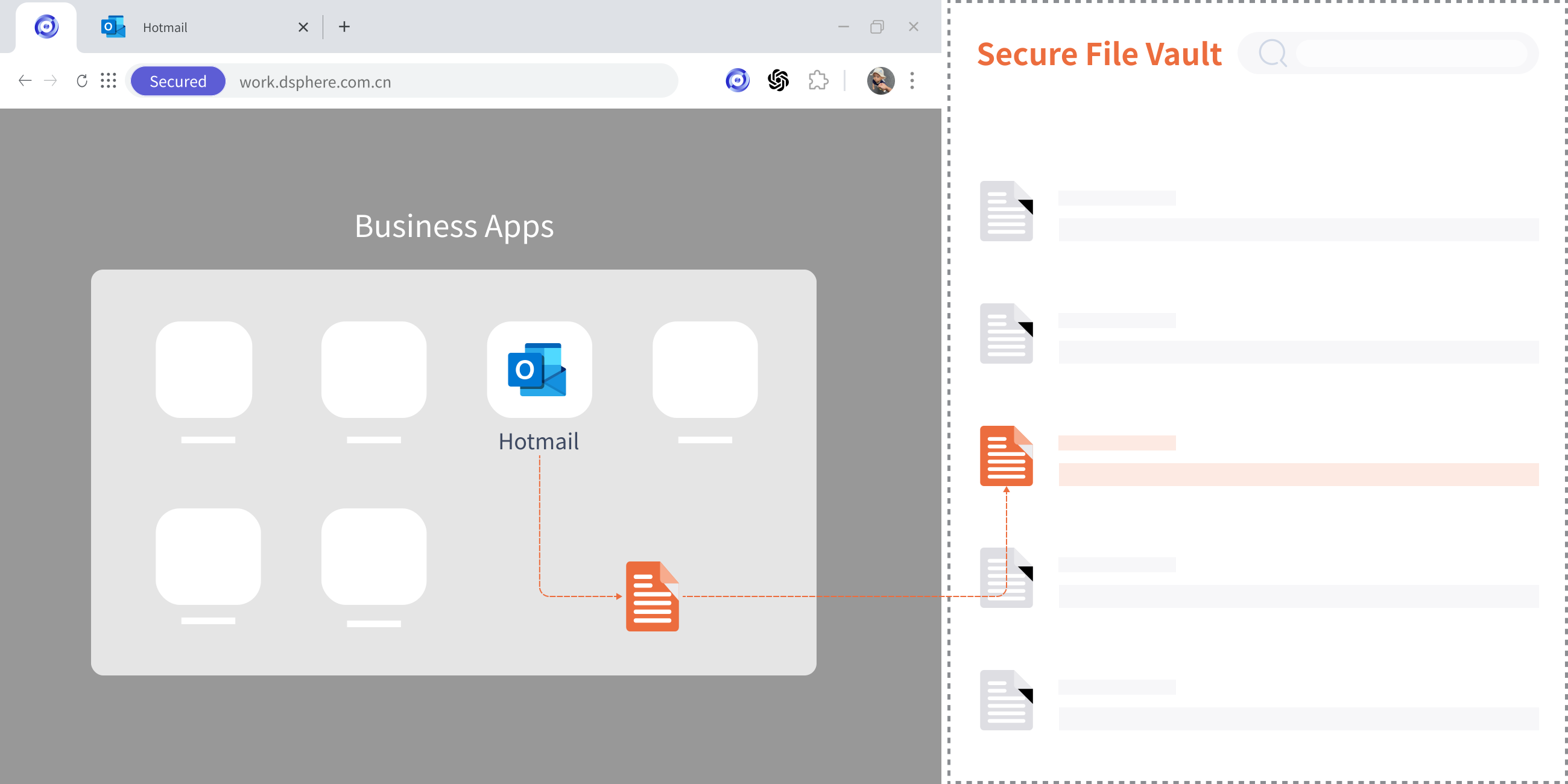
DSphere Browser automatically redirect documents downloaded from application systems to the server, leveraging the editing and collaboration capabilities of online documents. This ensures data remains in the cloud, enhancing both data security and employee productivity, with equal emphasis on efficiency and protection.
Frequently asked questions
What download and file-handling risks does this page discuss?
The page focuses on scenarios where users download or move data from business applications through the browser, and how to reduce exposure of sensitive files on endpoints and in ungoverned channels, including collaboration-oriented patterns.
What does redirecting downloads to online documents mean here?
The narrative describes steering downloads from application systems into an online document environment so editing and collaboration can stay in the cloud and sensitive data is less likely to remain only on unmanaged devices—see the page sections for specifics.
How is DSphere positioned on this page?
DSphere is framed as part of an enterprise browser workspace that enforces download and data-flow policy on the access path, not as a replacement for every DLP or storage control.
How can we try DSphere?
Use the Free Trial button on this site; it opens the DSphere account onboarding flow in a new window.

Time to Rebuild Data Security
Inside DSphere is work; outside DSphere is life. Enterprises need not worry about data leaks, and employees need not worry about their privacy being infringed.